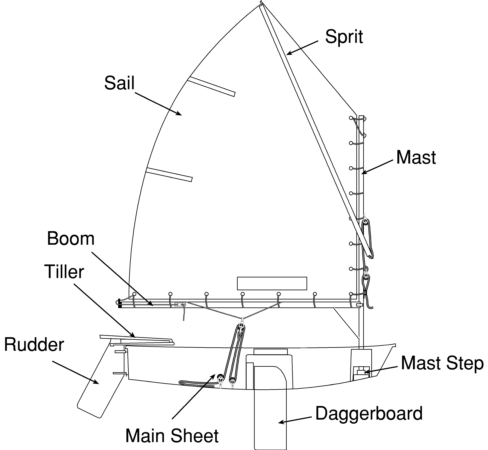
Optimist Dinghy Maintenance Tips
- Regular Maintenance: Perform regular maintenance and descaling, ideally before and after regattas, to ensure your dinghy is shiny and ready to perform.
Cleaning: Remove sticker residues with nail polish remover or similar and wash the exterior/interior regularly.
Sail Care: Remove sails and rinse them with fresh water to help prevent rodent damage. Check for any damage around the batten pockets and headboard/luff rope area.
Spars: Remove spars, wash, dry down, and dry store if possible to prevent corrosion.
Storage: Store your dinghy under a cover to protect it from water, ice, and frost. Ensure the carpet or protection used on the trolley cradle is dry before storing.
Optimist Dinghy Repair Tips
When it comes to repairing your Optimist Dinghy, here are some tips to keep in mind:Basic Repairs: For minor hull, foils, and sails, you can often handle the repairs yourself. Use epoxy for nicks and dings, and polyester resin and fiberglass cloth for more severe damage.
Hull Maintenance: Scratches can be filled with gelcoat, and nicks should be repaired immediately to prevent water ingress. Ensure all nuts are securely tightened and check the universal joint for tears.
Sail Care: Wash sails with fresh water after sailing, especially in the sea. Store in a sail bag and ensure batten ends have caps.
Rigging and Tuning: Familiarize yourself with the major parts of your Optimist and follow the instructions in the owner’s manual for rigging and tuning.
Professional Help: For more complex repairs, seek professional help. This can include fiberglass work for structural damage and gelcoat for small nicks and scratches.
By following these tips, you can maintain your Optimist Dinghy and ensure it is well-maintained and ready for sailing.
Topper Dinghy Maintenance Tips
By following these maintenance tips, you can keep your Topper dinghy in top condition and enjoy a worry-free boating experience.
- Store with the deck facing down to avoid hull distortion.
- Keep sails rolled on a plastic drainpipe to prevent water ingress.
- Remove the bung when not sailing to prevent hull distortion.
- Regularly inspect and replace worn cordage, cleats, and blocks.
- Tighten all screws, especially on the transom plate.
- Clean the hull with a bathroom cleaner and a plastic scouring pad.
Topper Dinghy Repair Tips
Repairing a Topper dinghy involves addressing leaks, restoring the hull surface, and maintaining fittings using sealants, careful cleaning, and minor structural adjustments.
Identifying and Fixing Leaks
Leaks are common in older Toppers, often occurring at the hull-deck joint, daggerboard case, bailer, transom, or mast cup area. To locate leaks, fill the hull with soapy water and gently pressurize it using a dinghy pump or even lung pressure, then watch for escaping air bubbles.
- Bailer and hull side leaks: Remove the bailer and replace the gasket or apply a sealant like TIKALFLEX CONTACT POLYMER SEALANT.
- Hull-deck joint: Remove old gaskets, clean and degrease the area, then reseal with TIKALFLEX while applying slight negative pressure to ensure a tight bond.
- Mast cup: If leaks persist, inspect the mast cup assembly; replacement may be necessary.
- Transom screws: Ensure screws are tightened progressively; if captive nuts spin, the inner plate may need replacement.
Hull Surface Restoration
Polypropylene hulls can fade or appear worn over time. Avoid sanding the top surface, as it has a non-slip coating. Instead:
- Wash the hull thoroughly.
- Use wire wool, white spirit, or a cream cleaner to remove dirt and oxidation.
- Carefully apply heat with a hairdryer or warm air gun to rejuvenate color, taking care not to overheat and melt the plastic.
- For minor gouges on the bottom, fill with a P-Tex candle and smooth with fine wet sandpaper.
Maintenance of Fittings
- Check the daggerboard case, rudder fittings, and traveller fairleads for wear or leaks.
- Replace worn screws, gaskets, or sealant as needed.
- Consider adding a small bridle from the mast step for a painter attachment to prevent stress on the foredeck.
Preventative Tips
- Keep the hull dry and clean when not in use.
- Inspect and reseal fastenings periodically.
- Avoid excessive UV exposure; store under cover or use a protective cover.
- Ensure proper tension when transporting on a trailer to prevent hull distortion.
By following these steps, a Topper dinghy can be restored to a watertight, visually appealing, and functional condition, extending its lifespan and performance on the water.